Erectile Dysfunction (ED) is a condition that affects millions of men worldwide, yet it remains shrouded in stigma and misunderstanding. The Erectile Dysfunction (ED) is a condition that affects millions of men worldwide, yet it remains shrouded in stigma and misunderstanding. The diagnosis and evaluation of ED are crucial steps in addressing this common sexual dysfunction. While many may feel embarrassed to discuss their struggles, it is important to recognize that ED is often a symptom of underlying health issues that require attention. Understanding the intricacies of diagnosis and evaluation can empower individuals to seek help and find effective solutions.
In this article, we will explore the various methods used by healthcare professionals to assess erectile dysfunction, from medical histories and physical examinations to advanced diagnostic tests. By demystifying the process, we aim to encourage open conversations about ED and highlight the importance of early intervention. Whether you are experiencing symptoms yourself or seeking knowledge to support a partner, grasping the fundamentals of ED can lead to improved sexual health and overall well-being. Join us as we delve deeper into the world of erectile dysfunction, where understanding is the first step toward reclaiming confidence and intimacy. Erectile dysfunction (In this article, we will explore the various methods used by healthcare professionals to assess erectile dysfunction, from medical histories and physical examinations to advanced diagnostic tests. By demystifying the process, we aim to encourage open conversations about ED and highlight the importance of early intervention. Whether you are experiencing symptoms yourself or seeking knowledge to support a partner, grasping the fundamentals of ED can lead to improved sexual health and overall well-being. Join us as we delve deeper into the world of erectile dysfunction, where understanding is the first step toward reclaiming confidence and intimacy. Erectile dysfunction (ED) is a complex condition that can significantly impact a man's sexual health and overall quality of life. Diagnosing ED involves a thorough and systematic approach, beginning with a detailed patient history.
During this initial phase, healthcare professionals will delve into various aspects of the patient's medical, psychological, and lifestyle factors that may contribute to the condition. To get a comprehensive view, doctors may ask specific questions regarding the frequency of erections, any changes in libido, and the presence of underlying health conditions such as diabetes or heart disease. For instance, a doctor might inquire, "How often do you experience difficulties achieving or maintaining an erection?" or "Have you noticed any changes in your sexual desire recently?" Such inquiries are crucial as they help identify potential psychological issues like anxiety or depression that could be influencing ED. Moreover, understanding the patient's lifestyle habits, including smoking, alcohol consumption, and exercise routines, also plays a vital role in diagnosing ED.Following the patient history, a physical examination is typically conducted to check for any hormonal imbalances or circulatory issues. This examination may include assessing blood pressure, checking for signs of hormonal disorders, and examining the genital area for any anatomical abnormalities.
A comprehensive physical assessment can reveal underlying conditions that may contribute to ED, such as Peyronie's disease or other vascular issues. In addition to these assessments, several diagnostic tests may be recommended to further evaluate the patient's condition. Blood tests are commonly ordered to measure hormone levels, including testosterone, as well as to check for diabetes and cholesterol levels. An ultrasound may be used to evaluate blood flow to the penis and assess for any vascular problems that could be affecting erectile function. Furthermore, nocturnal penile tumescence testing may be conducted to determine if the patient experiences erections during sleep, which can indicate whether the problem is physiological or psychological in nature. The results from these evaluations help healthcare providers tailor treatment options effectively.
For example, if hormonal imbalances are identified, hormone replacement therapy may be suggested. If psychological factors are at play, counseling or therapy might be recommended alongside medication. Understanding the specific cause of ED is critical in formulating an effective treatment plan that addresses the individual's unique needs. It is essential to acknowledge that there can be disagreements regarding treatment approaches for ED. Some patients may prefer pharmacological treatments like phosphodiesterase type 5 inhibitors (e.g., Viagra) due to their convenience and effectiveness.
In contrast, others might opt for non-pharmacological approaches such as lifestyle changes or vacuum erection devices. Additionally, stigma surrounding ED can prevent individuals from seeking help. Many men feel embarrassed discussing sexual health issues, which can lead to delayed diagnoses and treatment. Real-life case studies highlight the importance of addressing these challenges head-on. For instance, one patient reported feeling hesitant to discuss his symptoms with his doctor due to embarrassment but found relief after finally opening up about his struggles.
Following a thorough evaluation process that included hormone testing and lifestyle assessments, he was prescribed a combination of medication and counseling. This integrated approach not only improved his erectile function but also enhanced his relationship satisfaction. Ultimately, understanding the diagnosis and evaluation process of ED is vital for men experiencing this condition. By acknowledging the psychological and physiological aspects of ED, seeking professional help from a qualified 'sex doctor' or urologist becomes an essential step toward improving sexual wellness. Early diagnosis not only paves the way for effective treatment options but also contributes to overall relationship satisfaction and personal well-being.
Initial Consultation: What to Expect
During the initial consultation for Diagnosis and evaluation of ED, men can expect a comprehensive approach that aims to understand their symptoms and overall health.This visit is crucial as it sets the stage for effective diagnosis and treatment options. Healthcare providers, including sex doctors and urologists, will typically begin by asking detailed questions about the patient's medical history, sexual history, and any psychological factors that may be contributing to their condition. It is essential for patients to be honest and open about their symptoms, including the frequency and duration of their erectile dysfunction, as this information can significantly aid in identifying the underlying causes. The provider may also conduct a physical examination to check for any physiological issues that could be impacting erectile function. This could include assessments of cardiovascular health, hormonal levels, and nerve function. In some cases, further tests may be recommended to gain a clearer understanding of the patient’s condition. Overall, the initial consultation is an opportunity for men to express their concerns in a safe environment.
Understanding that ED is a common issue can help alleviate feelings of embarrassment or shame, encouraging more men to seek the help they need for improved sexual wellness.
Diagnostic Tests for ED
When it comes to the diagnosis and evaluation of erectile dysfunction (ED), healthcare professionals utilize a variety of diagnostic tests to determine the underlying causes. These tests are crucial in forming an appropriate treatment plan tailored to the individual. One of the most common initial assessments is the physical examination, where the doctor evaluates the patient’s overall health, including checking for signs of hormonal issues or other physical conditions that may contribute to ED. Another significant test is the blood test, which can help measure hormone levels, including testosterone, and assess blood sugar levels, cholesterol, and other markers that may indicate cardiovascular health. Abnormalities in these tests can point to underlying medical conditions that require attention. A penile Doppler ultrasound is often employed to evaluate blood flow to the penis. This non-invasive test uses sound waves to create images of blood vessels and can help identify vascular issues that may be causing ED. In some cases, a nocturnal penile tumescence (NPT) test may be conducted to determine whether a man is experiencing erections during sleep.This test can help differentiate between psychological and physiological causes of ED. Lastly, psychological evaluations may also be part of the diagnostic process, especially if stress, anxiety, or depression is suspected as a contributing factor. Mental health plays a significant role in sexual function, making this evaluation essential for a comprehensive understanding of the patient’s condition. Overall, each of these diagnostic tests plays a vital role in accurately diagnosing ED and identifying the appropriate course of treatment. Early diagnosis and intervention are key to improving sexual wellness and enhancing relationship satisfaction.
Understanding Treatment Options
When it comes to the diagnosis and evaluation of ED, understanding the treatment options available is crucial for effective management. Treatment avenues often depend on the underlying causes identified during the diagnostic process, which can be psychological, physiological, or a combination of both. One of the most common treatment options for erectile dysfunction is medication.Phosphodiesterase type 5 inhibitors (PDE5 inhibitors), such as sildenafil (Viagra), tadalafil (Cialis), and vardenafil (Levitra), are frequently prescribed. These medications work by increasing blood flow to the penis, facilitating an erection when sexual stimulation occurs. It is essential for individuals to consult with a healthcare provider to determine the most suitable medication and dosage. Another significant treatment avenue is therapy, particularly when psychological factors play a role in ED. This can include counseling or sex therapy, where mental health professionals help address issues such as anxiety, depression, or relationship problems that may contribute to erectile dysfunction.
Cognitive-behavioral therapy (CBT) is one approach that has shown promise in alleviating performance anxiety and improving sexual confidence. Lifestyle changes also play a vital role in managing ED. Healthier habits can significantly influence erectile function. This includes maintaining a balanced diet, engaging in regular physical activity, quitting smoking, and limiting alcohol consumption. These lifestyle modifications can improve overall health and enhance blood flow, potentially reducing the severity of ED symptoms. In some cases, additional interventions may be necessary.
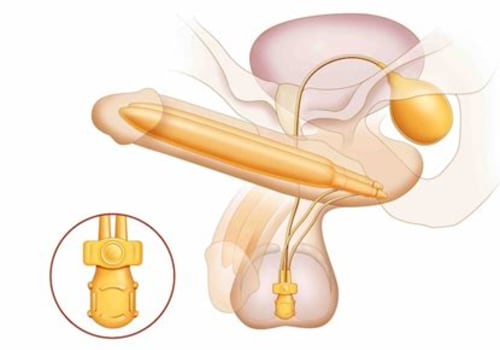
Vacuum erection devices (VEDs) create a vacuum around the penis, drawing blood into it and facilitating an erection. Penile injections or intraurethral therapy are other options that involve delivering medication directly to the erectile tissues. For men with severe ED or those who do not respond to other treatments, surgical options such as penile implants may be considered. Ultimately, the best treatment approach for erectile dysfunction will depend on individual circumstances and should be guided by a healthcare professional. Early diagnosis and intervention can lead to effective management of ED, helping to restore sexual wellness and improve relationship satisfaction. In conclusion, the diagnosis and evaluation of erectile dysfunction (ED) are critical components in effectively managing this common condition.
Understanding the various psychological and physiological factors that contribute to ED is essential for both patients and healthcare providers. Recognizing that ED is not just a personal issue, but a significant aspect of overall sexual health, underscores the importance of seeking professional help. A timely consultation with a qualified professional, such as a sex doctor or urologist, can lead to accurate diagnosis and tailored treatment options that can significantly improve one’s sexual wellness and relationship satisfaction. It is crucial to take proactive steps in your sexual wellness journey by not hesitating to reach out for support. Addressing any concerns regarding ED not only fosters better intimate relationships but also enhances overall quality of life.
Remember, the path to recovery begins with the first step of seeking help.