In today's fast-paced world, the complexities of human relationships and personal well-being can often feel overwhelming. One area that has garnered increasing attention is the impact of mental health on sexual health, particularly in relation to sexually transmitted diseases (STDs). While many people recognize the importance of physical health in maintaining a fulfilling sexual life, fewer understand how deeply intertwined mental well-being is with our sexual experiences and relationships. As we navigate the intricate web of emotions, thoughts, and behaviors that define our mental state, we must consider how these elements affect our intimate connections. Mental health issues such as anxiety, depression, and stress can create barriers that hinder sexual desire and performance, leading to a cycle of frustration and disconnection. In today's fast-paced world, the complexities of human relationships and personal well-being can often feel overwhelming. One area that has garnered increasing attention is the impact of mental health on sexual health, particularly in relation to sexually transmitted diseases (STDs). While many people recognize the importance of physical health in maintaining a fulfilling sexual life, fewer understand how deeply intertwined mental well-being is with our sexual experiences and relationships. As we navigate the intricate web of emotions, thoughts, and behaviors that define our mental state, we must consider how these elements affect our intimate connections. Mental health issues such as anxiety, depression, and stress can create barriers that hinder sexual desire and performance, leading to a cycle of frustration and disconnection. , particularly in relation to sexually transmitted diseases (STDs). While many people recognize the importance of physical health in maintaining a fulfilling sexual life, fewer understand how deeply intertwined mental well-being is with our sexual experiences and relationships. As we navigate the intricate web of emotions, thoughts, and behaviors that define our mental state, we must consider how these elements affect our intimate connections. Mental health issues such as anxiety, depression, and stress can create barriers that hinder sexual desire and performance, leading to a cycle of frustration and disconnection. In today's fast-paced world, the complexities of human relationships and personal well-being can often feel overwhelming. One area that has garnered increasing attention is the impact of mental health on sexual health, particularly in relation to sexually transmitted diseases (STDs). While many people recognize the importance of physical health in maintaining a fulfilling sexual life, fewer understand how deeply intertwined mental well-being is with our sexual experiences and relationships. As we navigate the intricate web of emotions, thoughts, and behaviors that define our mental state, we must consider how these elements affect our intimate connections. Mental health issues such as anxiety, depression, and stress can create barriers that hinder sexual desire and performance, leading to a cycle of frustration and disconnection.
Conversely, a healthy mental state can foster intimacy and enhance sexual experiences, highlighting the profound relationship between these two aspects of human health. This article aims to delve into the connection between mental health and sexual health, exploring how psychological factors influence our sexual lives and the importance of addressing mental well-being as part of comprehensive sexual health care. By understanding this connection, we can promote healthier relationships and improve our overall quality of life. Join us as we uncover the nuances of this critical topic, providing insights that not only illuminate the challenges faced by many but also offer pathways toward healing and fulfillment. The connection between mental health and sexual health is profound and multifaceted, influencing various aspects of an individual's life. Mental health conditions such as anxiety, depression, and chronic stress can significantly impact sexual functioning and satisfaction. For instance, individuals suffering from anxiety may experience heightened fears or worries that inhibit their ability to engage in sexual activity.
This anxiety can stem from a variety of sources, including performance pressure or past negative experiences, leading to a cycle where the fear of sexual failure exacerbates the anxiety itself. Similarly, depression is often accompanied by a noticeable decrease in libido, leaving individuals feeling disinterested in sex or unable to engage emotionally with their partners. According to a study published in the Journal of Sexual Medicine, approximately 50% of individuals diagnosed with depression report some form of sexual dysfunction. This dysfunction can manifest as erectile difficulties in men or reduced sexual arousal and satisfaction in women, creating a further divide in intimate relationships. Stress also plays a critical role in affecting sexual health. High levels of stress can lead to hormonal imbalances that diminish sexual desire and arousal.
The ongoing pressures of work, family responsibilities, or financial concerns can create an environment where intimacy is neglected, resulting in relationship challenges and communication breakdowns between partners. A comprehensive study indicated that over 40% of individuals experiencing significant stress reported lower levels of sexual desire. The prevalence of these issues highlights the necessity for professional guidance. Many individuals are unaware that their mental health struggles are closely linked to their sexual well-being. Seeking help from qualified professionals can pave the way for effective treatments that address both spheres of health.
For example, cognitive-behavioral therapy (CBT) has shown effectiveness in treating various mental health disorders while also positively impacting sexual functioning. CBT helps individuals identify and modify negative thought patterns that contribute to anxiety or depression, ultimately fostering a more positive outlook towards their sexual relationships. Couples therapy is another valuable resource that can address the intersection of mental health and sexual health. It offers partners a safe space to discuss their feelings and experiences openly, fostering understanding and intimacy. By addressing underlying issues together, couples can develop healthier communication strategies and rekindle emotional connections that enhance their sexual relationship. While many professionals advocate for recognizing the link between mental health and sexual health, there can be disagreements regarding the extent of this connection.
Some experts argue that sexual dysfunction may arise from purely physical causes rather than psychological ones. However, numerous testimonials from individuals who have experienced both mental health challenges and subsequent improvements in their sexual lives after receiving appropriate treatment underscore the importance of considering both aspects holistically. For instance, one individual shared how overcoming anxiety through therapy not only improved his mental state but also revitalized his intimate relationship with his partner. Ultimately, understanding the intricate ways in which mental health influences sexual health is vital for fostering healthier relationships and enhancing overall well-being. Acknowledging these connections can empower individuals to seek help, break down stigmas associated with discussing these issues, and cultivate more fulfilling intimate experiences.
Common Sexual Health Issues Related to Mental Health
Mental health plays a crucial role in overall well-being, and its influence extends to sexual health.Various psychological conditions can manifest in sexual dysfunction, impacting individuals and their relationships. Below are some common sexual health issues linked to mental health.
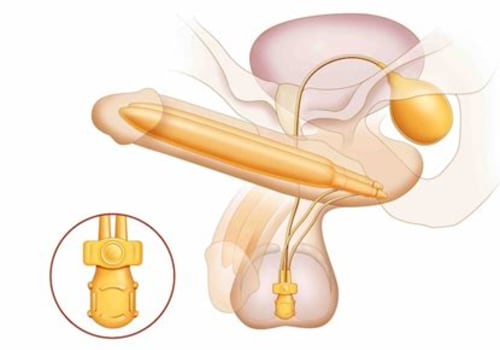
Erectile Dysfunction
(ED) is a prevalent condition where a man struggles to achieve or maintain an erection suitable for sexual activity. While it can be caused by physical factors, such as cardiovascular disease or diabetes, mental health issues like anxiety and depression are significant contributors. Anxiety about performance, fear of intimacy, and feelings of inadequacy can all hinder erectile function.Low LibidoLow Libido, or reduced sexual desire, can also stem from mental health challenges.Conditions such as depression and stress often lead to a diminished interest in sexual activity. Individuals may find themselves preoccupied with negative thoughts or emotions, which can suppress their desire for sex, further straining intimate relationships.
Premature Ejaculation
is another sexual health issue that can be exacerbated by mental health factors. Anxiety, especially related to sexual performance, can lead to difficulties in controlling ejaculation. This condition not only affects physical satisfaction but can also impact self-esteem and relationship dynamics. Addressing these issues often requires professional guidance.Therapy and counseling can help individuals work through the mental health aspects contributing to their sexual dysfunctions, paving the way for improved intimacy and connection with partners.
Building Healthy Relationships: The Role of Communication
Effective communication is the cornerstone of any healthy relationship, especially when navigating the complexities of mental health and sexual health. When individuals face challenges related to their mental well-being, it can significantly impact their sexual relationships. Therefore, having open and honest discussions with partners about these issues is crucial. Many people may feel embarrassed or ashamed to talk about their mental health struggles, particularly when they affect their sexual desires or performance. However, fostering a safe space for communication can help both partners understand each other better.For instance, a partner experiencing erectile dysfunction or low libido due to anxiety or depression may fear rejection or judgment. By openly discussing these feelings, both partners can explore the underlying causes and work together to find solutions. Moreover, effective communication allows couples to express their needs and desires clearly. It encourages understanding and empathy, which can strengthen the emotional bond between partners. When both individuals are aware of each other's challenges, they can collaborate on ways to support one another, whether that means seeking professional help together, exploring new forms of intimacy, or simply being more patient and understanding. In conclusion, prioritizing communication in relationships is vital when addressing the interplay between mental health and sexual health.
By creating an environment where both partners feel comfortable sharing their thoughts and feelings, they can navigate these sensitive topics more effectively and enhance their overall relationship satisfaction.
The Link Between Mental Health and Sexual Function
The connection between mental health and sexual function is complex and multifaceted. Various mental health disorders, such as depression, anxiety, and stress, can significantly impact an individual's sexual health. These disorders can lead to sexual dysfunction, which encompasses a range of issues including erectile dysfunction, low libido, and difficulties with arousal. For instance, individuals suffering from depression often experience a decrease in sexual desire and may find it challenging to engage in intimate activities. This reduction in libido is thought to be linked to biochemical changes in the brain associated with depression, particularly the imbalance of neurotransmitters like serotonin and dopamine.These chemicals play a crucial role in mood regulation and sexual functioning. Anxiety, on the other hand, can create a cycle of fear and avoidance around sexual encounters. Individuals may become preoccupied with worries about performance or body image, leading to erectile dysfunction or premature ejaculation. The physiological response to anxiety includes increased heart rate and muscle tension, which can hinder sexual arousal and performance. Moreover, chronic stress can elevate cortisol levels, which can further diminish sexual desire and impair sexual function. The body’s stress response diverts energy away from reproductive functions, making it harder for individuals to engage in healthy sexual relationships. Understanding these connections highlights the importance of seeking professional guidance.
Addressing mental health issues through therapy or medication can lead to improvements in both mental well-being and sexual health. For many, the journey towards healthier sexual functioning begins with acknowledging the impact of mental health on their intimate lives.
Therapeutic Approaches to Improve Both Mental and Sexual Health
Addressing the impact of mental health on sexual health requires a multifaceted approach that encompasses both therapeutic interventions and medical treatments. Various treatment options can significantly enhance both mental well-being and sexual health, making it essential to explore these avenues for individuals experiencing challenges in these areas. One of the most effective ways to address underlying issues is through therapy. Different types of therapy, such as cognitive-behavioral therapy (CBT), can help individuals identify and modify negative thought patterns that contribute to both mental health issues and sexual dysfunction.By developing healthier coping mechanisms and improving communication skills, therapy can foster stronger relationships and enhance sexual intimacy. In addition to therapy, medication may also play a crucial role in treatment. For individuals suffering from anxiety, depression, or other mental health disorders, antidepressants or anti-anxiety medications can alleviate symptoms that may hinder sexual desire or performance. It is important for individuals to consult with healthcare professionals to find the right balance of medications that support both their mental health and sexual function. A holistic approach that combines therapy and medication often yields the best results. Regular check-ins with a therapist or counselor can help monitor progress and adjust treatment plans as needed.
Additionally, involving partners in therapy sessions can further strengthen relationships and address any concerns related to sexual health. Ultimately, prioritizing mental health is key to achieving a satisfying sexual life. Understanding the interconnection between these two aspects allows individuals to seek appropriate support, paving the way for healthier relationships and improved overall well-being. In conclusion, the intricate relationship between mental health and sexual health cannot be overstated. Throughout this article, we have explored how mental health conditions can significantly impact sexual function, leading to common issues such as erectile dysfunction and low libido. By understanding these connections, we highlight the importance of addressing mental health in order to improve overall sexual health outcomes. It is crucial for individuals experiencing these challenges to seek professional guidance.
Therapy and open communication can pave the way for healthier relationships and improved well-being. Remember, prioritizing your mental health is a vital step towards enhancing your sexual health.